
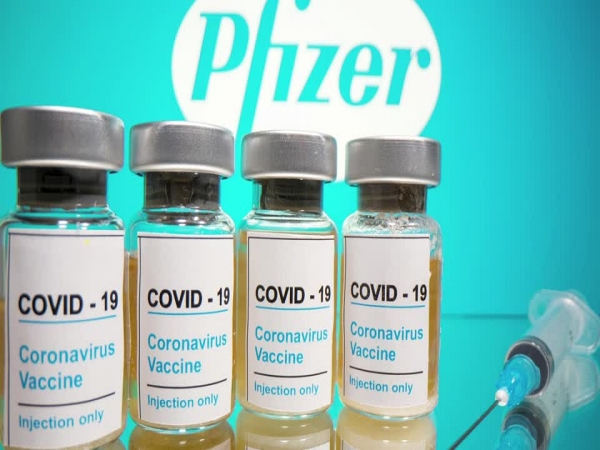
9th November 2020, world news goes into overdrive.
Pfizer and BioNTech announced that they have developed a COVID-19 vaccine. It will be over 90 percent effective, ready to roll out via the NHS from the 1st December.
This is very welcome news giving us all hope that the, ‘old normal’ is right around the corner.
Does this mean we can forget about Indoor Air Quality (IAQ)?
Absolutely not! Did you know that on average the air inside a building is worse than the air outside? According to the Environmental Protection Agency (EPA), the levels of indoor air pollutants are often 2 to 5 times higher than outdoor levels. In some cases these levels can exceed 100 times that of outdoor levels of the same pollutants.
Naturally, our reactions to issues are massively different when we can touch, see or feel things. By engaging our senses in this way, we consequently take matters more seriously and respond with greater attention.
If we can’t smell, feel or see anything then we are all completely happy that there is no problem. No senses engaged, no problem.
Just imagine how quickly you would call an expert if all viruses appeared red, germs yellow and aerosols blue. In that case, the view inside your building would feel as though you had just stepped into a rainbow. It would make potential threats immediately visible and easier to respond to.
What is the point if COVID-19 has disappeared?
While COVID-19 may disappear soon, we still need to consider that there are a lot of other viruses out there. Such as flu, c-diff and Noro. They spread around offices and schools causing illness and time off work.
This costs the company money in downtime, project delays and other costs.
What about the other benefits of providing good quality air?
Health and wellbeing: If we can stop the spread of these viruses around the office and reduce employee absenteeism by 5-20%, imagine what a benefit that would be! In addition, improving the health and wellbeing of people in the office helps them feel better throughout the day. Which, in turn boosts their concentration and overall productivity.
Environmental impact: In June 2019, the UK government became the first major economy to pass a net zero emissions law, setting a target to bring all greenhouse gas emissions to net zero by 2050. At the same time, it’s important to note that building HVAC systems contribute roughly 25-35 percent of the energy bill. This highlights a key area where improvements can make a significant difference. There is also the ability to obtain BREEAM® and LEED® credits in multiple categories as well as tax credits and incentives.
Energy and maintenance savings: The original and main reason for the UV-C technology has been to provide savings on energy and maintenance costs, which provided a return on investment within 12-24 months. Keeping the coils free from mould and biofilm achieves this. The more efficiently your systems run, the less energy you consume to achieve the same output.
Sustainability: The more efficient the HVAC system runs, the units and parts within them last longer. Maintenance visits once again become maintenance visits and NOT fault, find, repair and replace visits.
Our UV-C partner, E-Co, holds Carbon Trust accreditation. This means an independent body has assessed their skills and experience in delivering low-energy, high-performing solutions. We can make a difference, we can get through this and come out the other side better. In addition, forgetting the term ‘The New Normal’ and the year 2020.
If you have a project you’d like to discuss, please contact us.